
For anyone living with Type 1 Diabetes, the advice “just exercise more” can feel like a high-stakes gamble. You lace up your sneakers or unroll your mat, only to find yourself caught in a exhausting tug-of-war between sudden blood sugar crashes, frustrating post-workout spikes, and the constant blare of CGM alarms. It can make even a simple workout feel less like medicine and more like a mathematical crisis so managing exercise and yoga with type 1 diabetes becomes very crucial.
It isn’t about trial and error anymore—it is about clinical strategy. From the groundbreaking 2025 Indian clinical insights on how structured asanas drastically slash the fear of lows, to the exact science of shifting your insulin timing, this guide is your blueprint. Whether you want to conquer the summer heat, navigate festive fasts, or master the difference between a cardio drop and a weightlifting spike, read on. Let’s transform movement from a source of anxiety into your most powerful tool for metabolic freedom.
Why Exercise is Both Essential and Tricky for Type 1 Diabetes
Living with Type 1 Diabetes (T1D) means playing the role of a 24/7 manual pancreas. When you introduce exercise and yoga with type 1 diabetes management, that balancing act becomes both incredibly rewarding and uniquely complex.
The Powerful Rewards of Staying Active
Regular movement is a cornerstone of long-term vitality. Engaging in physical activity offers profound benefits, including:
- Cardiovascular & Mental Boosts: It strengthens the heart, improves lipid profiles, and significantly eases the psychological burden of managing a chronic condition.
- Enhanced Insulin Sensitivity: Physical activity naturally helps your body utilize insulin more efficiently, paving the way for smoother glycemic control over time.
- Reduced Long-Term Risks: Staying active is clinically proven to lower the risk of microvascular and macrovascular complications.
The Metabolic Plot Twist: Why It’s Tricky
In a body without T1D, the pancreas acts like a smart thermostat—instantly lowering insulin production the moment a workout begins so the liver can release stored glucose for energy. With T1D, because insulin is delivered subcutaneously via pumps or injections, it cannot rapidly adapt to sudden metabolic shifts.
This creates a highly unpredictable environment depending on your choice of movement:
- The Aerobic Drop: Prolonged, moderate activities (like jogging or brisk walking) cause muscles to aggressively sponge up glucose. Because circulating insulin remains high, this often triggers rapid hypoglycemia (low blood sugar).
- The Anaerobic Spike: Conversely, intense bursts of effort (like sprinting or heavy weightlifting) trigger a surge of stress hormones like adrenaline. Without a natural, real-time spike in insulin to counteract this, blood sugars can paradoxically skyrocket into hyperglycemia.
- The 24-Hour Hangover: The physiological challenge doesn’t end at the gym. Muscles continue to eagerly replenish their glycogen stores for 24 to 48 hours post-workout. This prolonged window of heightened insulin sensitivity frequently leads to late-onset or nocturnal hypoglycemia while you sleep.
Ultimately, navigating exercise and yoga with type 1 diabetes requires constant vigilance—balancing “insulin on board,” timing carbohydrate intake, and managing the emotional frustration of unpredictable alarms. However, with the right strategic adjustments, safely reaping the rewards of movement is entirely achievable.
How Aerobic vs. Anaerobic Exercise Affects Blood Sugar Differently in T1D
Understanding how different workouts impact your metabolism is key to managing exercise and yoga with type 1 diabetes. Aerobic and anaerobic activities trigger opposing hormonal responses, directly altering your blood sugar trajectory.
Aerobic Exercise: The Glucose Drain
Prolonged, moderate-intensity movement (like jogging, cycling, or flowing yoga) causes skeletal muscles to aggressively absorb glucose—up to 2.0 grams per minute.
In a non-diabetic body, insulin levels naturally drop to let the liver release stored glucose for fuel. However, in T1D, injected subcutaneous insulin cannot be cleared instantly from circulation. This lingering insulin prevents the liver from releasing glucose while forcing active muscles to sponge it up, resulting in a rapid drop toward hypoglycemia.
Anaerobic Exercise: The Hormonal Spike
Conversely, high-intensity, short-burst activities (like sprinting or heavy weightlifting) often cause blood sugar to skyrocket.
Vigorous exertion triggers a massive surge of stress hormones, particularly adrenaline (catecholamines). This signals the liver to dump glucose into the bloodstream at rates that far exceed what your muscles can use. Without a natural, real-time pancreas to secrete a matching surge of insulin, you are left with post-workout hyperglycemia.
The Strategy: Mixing Modalities
Resistance training relies less on circulating blood glucose, providing much smoother glycemic stability during and after a session compared to cardio.
By understanding these mechanisms, you can strategically pair them to maintain balance:
- The Intermittent Sprint: Injecting a 10-second sprint into a moderate aerobic session can trigger just enough adrenaline to stop a blood sugar crash.
- Order of Operations: Performing resistance training before aerobic cardio in the same session significantly optimizes glucose stability and protects against exercise-induced lows.
Safe Exercise Guidelines for Type 1 Diabetes: What Indian Doctors Recommend
Navigating physical activity with T1D requires a precise clinical roadmap. Recent 2025 data from Indian researchers, alongside established international protocols, offer clear guidelines for safely balancing exercise and yoga with type 1 diabetes management.
The 2025 Indian Yoga Protocol
A landmark 2025 clinical trial by Indian researchers highlighted a specific, highly effective yoga protocol tailored for T1D management. The recommended regimen consists of a 60-minute session, 5 days a week, incorporating Surya Namaskar (sun salutations), asanas (postures), pranayama (breathing techniques like Ujjayi and Bhastrika), and deep relaxation.
Physiologically, this routine acts as a gentle cardiovascular workout that stimulates parasympathetic tone while safely mobilizing glucose doors. The results were profound, showing a 14.68% reduction in HbA1c, lower daily insulin requirements, and a 24% drop in the psychological fear of hypoglycemia.
General Clinical Guidelines for Workouts
For conventional exercise (aerobic and resistance), medical consensus outlines strict safety boundaries:
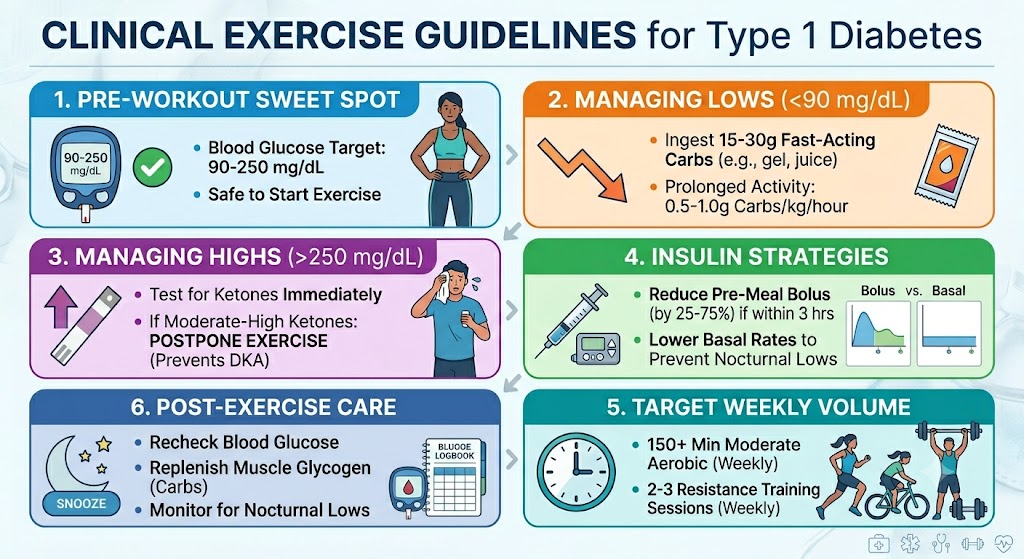
- The Pre-Workout Sweet Spot: Ensure blood glucose is between 90 and 250 mg/dL before starting.
- Managing Lows (<90 mg/dL): Ingest 15–30 grams of fast-acting carbohydrates. For prolonged moderate activity, consume 0.5–1.0 g of carbs per kilogram of body weight for every hour of exercise.
- Managing Highs (>250 mg/dL): Always check for ketones. If moderate-to-high ketones are present, postpone exercise immediately to prevent diabetic ketoacidosis (DKA).
- Insulin Strategies: Proactively reduce your pre-meal bolus by 25%–75% if exercising within 3 hours of eating, or lower basal rates to prevent nocturnal hypoglycemia.
- Target Weekly Volume: Aim for at least 150 minutes of moderate-to-vigorous aerobic exercise per week, paired with 2–3 resistance training sessions.
Yoga for Type 1 Diabetes in India: Which Poses Help and Which to Avoid
A landmark 2025 clinical trial conducted in Haridwar, India, validated a highly effective yoga module specifically optimized for T1D management. While incorporating exercise and yoga with type 1 diabetes or type 2 diabetes is highly therapeutic, specific postures require careful selection based on your complication profile.
Poses and Practices That Help
The 2025 Indian protocol emphasizes a balanced, full-body routine designed to stimulate metabolic pathways and lower stress hormones:
- Pancreas-Stimulating Asanas: Postures like Ardha Matsyendrasana (half spinal twist), Bhujangasana (cobra pose), and Dhanurasana (bow pose) are highlighted for their ability to improve pancreatic blood flow and cellular glucose uptake.
- Surya Namaskar (Sun Salutations): This dynamic sequence serves as a cardiovascular engine, escalating cellular demand for glucose and enhancing overall insulin sensitivity.
- Targeted Pranayama: Slow Ujjayi breathing is recommended to boost vagal tone and engage the calming parasympathetic nervous system, while Bhastrika (bellows breath) provides safe, alertness-boosting stimulation.
Practices to Avoid or Modify
The Haridwar clinical trial explicitly excluded individuals with advanced complications, meaning you must modify your practice if you experience any of the following:
- Skip Inversions (Retinopathy): If you have unstable diabetic retinopathy, completely avoid “head-down” poses (like headstands or deep forward folds) and breath-holding. These actions sharply increase intraocular pressure, risking a vitreous hemorrhage.
- Skip Hot Yoga & Rapid Drops (Autonomic Neuropathy): If diabetes has affected your blood pressure regulation or sweat production, avoid rapid floor-to-standing transitions and extreme environments like Bikram (“hot”) yoga to prevent fainting.
- Modify Standing Poses (Peripheral Neuropathy): If you have lost sensation in your feet or have active ulcers, transition to seated or non-weight-bearing poses to eliminate dangerous plantar pressure.
Walking After Meals with Type 1 Diabetes: How It Helps Indians Control Blood Sugar
A typical Indian diet is traditionally rich in carbohydrates, with staples like rice and chapattis contributing to nearly 60% of daily energy intake. This high carbohydrate load frequently causes dramatic post-meal (postprandial) blood sugar spikes, making tight glycemic control a daily hurdle.
The Power of Light Post-Meal Movement
Engaging in brief bouts of light activity immediately after eating is one of the most effective, accessible ways to flatten these spikes. Clinical research shows that just 3 to 15 minutes of light walking after a meal acutely reduces postprandial hyperglycemia in individuals with T1D.
How It Works Universally
When you walk after eating, your contracting skeletal muscles immediately recruit non-insulin-dependent glucose doors to pull sugar directly from the bloodstream for fuel. To optimize your time in range:
- The Post-Meal Stroll: Aim for a 15-minute walk within 30 minutes of finishing a meal.
- Break Up Sitting: Alternatively, breaking up long periods of sitting with just 3 minutes of light walking every 30 minutes provides similar glycemic benefits.
For Indians navigating carb-heavy traditional meals, this simple, non-sweat strategy provides a powerful buffer against post-meal spikes without increasing the risk of sudden hypoglycemia.
Exercise During Festivals & Hot Indian Summers: Special Precautions for T1D
Navigating traditional Indian festivals and extreme summer heat requires sharp clinical adjustments to prevent dangerous glycemic swings and dehydration.
Managing Movement During Festivals and Fasts
Festivals like Navratri often involve unique dietary shifts—either strict fasting or partaking in carbohydrate-heavy, fried festive foods. When staying active during these times, prioritize these adjustments:
- Smart Substitutions: Swap deep-fried or syrup-laden sweets for frequent, small portions of low-glycemic alternatives like milk products, fresh fruits, and boiled vegetables to maintain a stable baseline.
- Proactive Insulin Reductions: If your festive diet is heavily restricted (e.g., consuming only milk and fruit), your background or active insulin doses may need to be scaled down to two-thirds of your usual requirement to prevent sudden hypoglycemia.
- Reschedule Intense Workouts: On days of strict fasting—especially if fluid intake is restricted—stick to light, routine daily activities. Postpone or reschedule moderate-to-vigorous workouts to non-fasting days.
Navigating the Scorching Indian Summer
The extreme heat of Indian summers introduces severe physiological risks for individuals with T1D, primarily impacting hydration and core temperature regulation:
- The Dehydration-Hyperglycemia Vortex: High blood sugar causes osmotic diuresis (frequent urination as the body flushes excess glucose). When combined with heavy sweating, this rapidly escalates the risk of severe dehydration, dangerous electrolyte imbalances, and sudden drops in blood pressure.
- The Neuropathy Warning: If you have autonomic neuropathy, your body’s natural ability to sweat and regulate its internal temperature is compromised. If you experience this complication, completely avoid outdoor workouts on hot or humid days to prevent heatstroke.
Ultimately, the gold standard for hot-weather and festive movement is uncompromised hydration, aggressive blood glucose monitoring, and a willingness to scale back intensity when environmental conditions peak.
How to Adjust Insulin Before, During & After Exercise as a Type 1 Diabetic
Mastering insulin adjustments is the ultimate skill when navigating exercise and yoga in type 1 diabetes management. Because injected insulin cannot naturally drop when you move, manual adjustments are required to prevent dramatic glycemic swings.
Before Exercise: Setting the Stage
- Meal-Time (Bolus) Adjustments: If you are working out within 2 to 3 hours of eating, reduce your rapid-acting meal bolus by 25% to 75%. For a 60-minute moderate aerobic session, a 75% reduction is often necessary. However, skip the reduction for intense anaerobic workouts, which naturally push blood sugars up.
- Background (Basal) Adjustments: If you are exercising in a fasted state, insulin pump users should set a temporary basal reduction of 50% to 80%. Crucially, initiate this 60 to 90 minutes before your workout so the subcutaneous insulin pool has time to clear. Multiple Daily Injection (MDI) users can consider a flat 20% reduction in their daily basal dose on active days.
During Exercise: Real-Time Management
- Pump Users: Take advantage of automated pump features. Utilizing predictive low-glucose suspend technology can automatically halt insulin delivery mid-workout if a crash is anticipated.
- MDI Users: Because you cannot “un-inject” long-acting insulin once it is in your system, you must rely primarily on strategically timed, fast-acting carbohydrates to offset dropping blood sugars during active movement.
After Exercise: Preventing the Overnight Crash
- The Post-Workout Deficit: Your muscles will eagerly absorb glucose for 24 to 48 hours post-workout to replenish glycogen stores. To avoid dangerous nocturnal hypoglycemia, pump users should apply a 20% basal reduction for 6 hours overnight following afternoon exercise. MDI users should consider reducing their evening basal dose by 20% and pairing it with a bedtime snack containing complex carbs, fat, and protein.
- Handling Post-Anaerobic Spikes: If a high-intensity workout leaves you with high blood sugar, correct with caution. Administer a conservative 50% correction bolus. Standard, aggressive corrections right after a workout drastically increase the risk of delayed, severe overnight crashes.
Managing Low Blood Sugar During and After Exercise in India
Defeating the fear of low blood sugar (hypoglycemia) is a major milestone when managing exercise and yoga in type 1 diabetes. Whether you are heading to the gym, practicing yoga, or observing traditional fasts, protecting your time-in-range requires a clear battle plan.
1. Strategic Carbohydrate Fueling
Carbohydrate timing is your first line of defense against exercise-induced drops:
- Pre-Exercise: If your blood sugar is below 90 mg/dL, consume 15–30 grams of fast-acting carbohydrates immediately.
- During Exercise: For long, moderate-intensity sessions, ingest 0.5–1.0 grams of high-glycemic index (GI) carbohydrates per kilogram of your body weight for every hour you move.
- Post-Exercise Recovery: Consume a high-GI snack within 1 to 2 hours after your workout to quickly restock depleted muscle glycogen. Before bed, eat a snack combining complex carbs, healthy fats, and protein to prevent a delayed overnight crash.
2. Insulin Adjustments and Workout Sequencing
- Proactive Reductions: Scale down your pre-meal bolus by 25%–75% if working out soon after eating, or drop your overnight basal insulin by 20% following an afternoon session.
- Order of Operations: You can manipulate your workout structure to keep blood sugars level. Try performing resistance training before cardio, or inject a maximum 10-second sprint mid-workout to trigger a protective spike in counter-regulatory hormones.
3. The Indian Context: Yoga, Fasts, and Festivals
Managing T1D in India involves unique cultural variables that require customized medical strategies:
- Yoga as a Tool to Fight Fear: The common “fear of hypoglycemia” frequently keeps T1D individuals sedentary. However, a landmark 2025 clinical trial in Haridwar, India, proved that a structured, 3-month yoga routine reduced the fear of hypoglycemia by nearly 24%. This success relied on rigorous tracking, with participants monitoring blood sugar six times a day.
- Navigating Religious Fasts: Intermittent fasting (such as Navratri or weekly fasts) dramatically spikes hypoglycemia risks if paired with normal workout routines. Indian clinical guidelines recommend undergoing Hypoglycemia Awareness Training (HAT) with your provider before fasting. On strict fast days, elective moderate-to-vigorous workouts should be entirely postponed, and mealtime boluses must be heavily reduced or skipped.
Resources
https://pubmed.ncbi.nlm.nih.gov/18801852
https://pmc.ncbi.nlm.nih.gov/articles/PMC4029043
https://www.wjgnet.com/1948-9358/full/v6/i3/534.htm
https://pmc.ncbi.nlm.nih.gov/articles/PMC3579339
https://pmc.ncbi.nlm.nih.gov/articles/PMC6908414
https://pubmed.ncbi.nlm.nih.gov/38909002
https://pmc.ncbi.nlm.nih.gov/articles/PMC5427362
https://pubmed.ncbi.nlm.nih.gov/27227101
https://pmc.ncbi.nlm.nih.gov/articles/PMC4319259
https://pubmed.ncbi.nlm.nih.gov/21864755
https://pubmed.ncbi.nlm.nih.gov/20807120
https://pmc.ncbi.nlm.nih.gov/articles/PMC4029043
About the author
It’s me Mohammad Junaid Rain an MBBS student at GMC Nagpur, passionate about making evidence-based medical information accessible to every Indian. “medstuffs.com” is dedicated to clear, disease education for patients and caregivers.
Disclaimer: This article is for educational purposes only and does not substitute professional medical advice. Please consult your doctor for diagnosis and treatment.